
 EN
EN
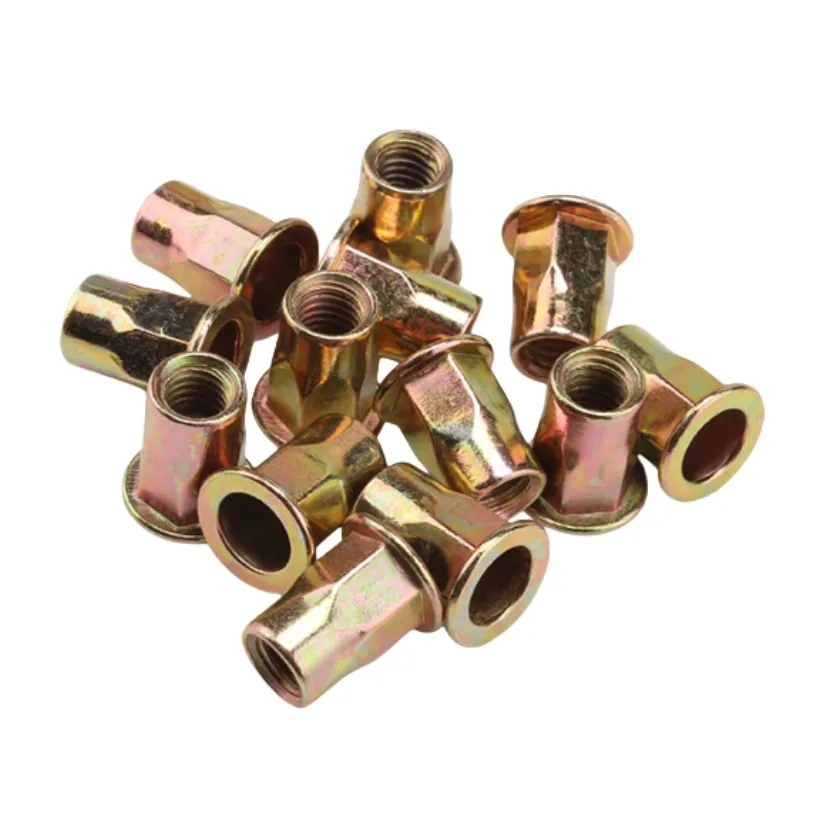
Zašto ravna glava polutvorni tijelo rivet matice povećati učinkovitost montaže
Brže ugradnja: Uklanjanje sekundarnih operacija u odnosu na tradicionalne uvodnice s niti
Standardni uvodnici s navojima obično trebaju otvorene rupe ili neku vrstu lepila prije nego što se mogu instalirati. Ovi dodatni koraci troše oko 25 do 40 posto više radnog vremena na većini tvorničkih montažnih linija. Ravno glava pola hex tijelo nit matica reže kroz sve to nevolje s onim što zovemo istinski jedan korak instalacije. Radnici ih samo ubace u već bušene rupe i onda ih postave koristeći obične alatke koje se nalaze u većini trgovina. Ono što čini ovaj rad tako dobrim je poseban poluheksasti oblik koji se čvrsto drži kada se komprimira, zaustavljajući bilo kakvo neželjeno okretanje i istodobno stvarajući čvrstu mehaničku vezu. Zato što se sve zaključava na svoje mjesto odmah od početka, više nema progona niti mnogo manje grešaka poravnanja. Tvornice izvješćuju da su u ukupnom pogledu u vezi s 30% brže vrijeme montaže, a zglobovi ostaju jaki čak i nakon što prođu kroz stotine ciklusa stresa bez kvarenja.
Geometrija s dvije funkcije: Kako ravna glava i poluheksastrono tijelo omogućuju istovremeno sjedenje i prijenos momenta
Integrirani dizajn pruža dvije kritične funkcije u jednoj komponenti:
- FLAT HEAD distribuira opterećenje spona na površini 40% veću od glave kupole, značajno smanjujući deformaciju ploča u tankogalijom aluminijumu (npr. 1,2 mm)
- Poluheksastruki dio u slučaju da se u slučaju otpadne površine ne primijenjuje primjena, u slučaju da se ne primijenjuje primjena, primjenjuje se primjena. prije potpuna kompresija
Kada sve radi zajedno kako treba, dobivamo i sjedalo i obrtni moment koji se primjenjuje u isto vrijeme. Većina standardnih alata zapravo vuče u čvor dok ga okreću. Šestokutne strane odmah ugrize zidove rupa, što znači da se ne klizi tijekom procesa. Možemo provjeriti koliko se opterećenja primjenjuje u stvarnom vremenu, i to nam pomaže znati jesu li stvari postavljene ispravno. To je dovelo do oko 22 posto manje odbačenih dijelova u usporedbi s kada smo umjesto toga koristili okrugle konstrukcije tijela. Testovi pokazuju nešto zanimljivo. Prema ASTM F2309 standardima za mjerenje čvrstoće pod stresom, ove komponente bolje podnose vibracije od drugih, podržavajući otprilike 18 posto veću snagu šišanja prije nego što propadnu.
U skladu s člankom 3. stavkom 2.
Kalibracija alata: Pneumatičko podešavanje alata koje smanjuje nepravilno poravnanje i preobrada za 22%
Pravilno kalibriranje pneumatičkih alata značajno je za rad s reznicama s ravnom glavom. Kad tehničari uspore prave razine pritiska, održavaju pravilnu poravnanost i ispravno prilagođavaju postavke udaraca, izbjegavaju probleme poput klizanja mandrila ili deformiranih flange. Terenski testovi iz tvornica automobila i elektronike pokazuju da se pažnja na detalje smanjuje na pogrešno poravnanje i gubljenje rada za oko 20-25%. Većina proizvođača daje određena uputstva za primjenu sile i brzinu rada alata kojima se radnici trebaju pridržavati. Pravilno održavanje je također važno provjeravanje oštećenja čepova i održavanje čistosti kopita osigurava da ovi alatci pouzdano rade posao za poslom bez neočekivanih kvarova.
Uputstva za pripremu rupa: Osiguravanje dosljednog raspona hvatanja i otpora za povlačenje na dužinama listova
Kvalitet rupe je bitan za to koliko će dobro funkcionirati matica. Učinite to kako biste spriječili stvaranje teških greda i neželjenih povećanja ili konjiranja. Ne zaboravi da očistiš svaku rupu kako bi poluheks mogao da se uključi. Kada radite s tankim listovima debljine ispod 1,5 mm, održavanje tih tolerancija rupa jako usko je važno za postizanje maksimalnog dometa hvatanja. Ali za materijale debljine 2,0 mm ili više, dozvoljavanje male količine prevelike veličine (oko 0,1 mm) zapravo radi bolje jer se kompresijsko opterećenje ravnomjernije raspršuje po površini, smanjujući rizik od lokalnih stresnih točaka. Prije nego što počnete s bilo kojim stvarnim vrtanjem, uvijek provjerite koliko je debljina ploče metala i uporedite to s specifikacijama proizvođača za određeni nož koji se koristi. Testiranje postavke parametara na nekim otpadnim materijalima prvo je također mudra praksa. Ovaj jednostavan korak jamči jači otpor na povlačenje i spojeve koji se drže tijekom vremena umjesto da se neočekivano pokvarite.
Razvojni kompromis: Ravnoteža brzine montaže, potreba za rastavljanjem i ponovnom upotrebom
Ravno glavno poluheksasno tijelo reznica matice ubrzati montažu jer oni kombiniraju sjedenje i prijenos momenta u jednom koraku. Ali postoji i problem kada je u pitanju raspao ih kasnije. Pola hex oblik pomaže da stvari ostane stabilna tijekom rada, smanjenje na vibracije povezane problem otpuštanja za oko 19% prema tim ASTM B117 sol spray testova. Međutim, uklanjanje tih čvrstih materijala zahtijeva znatno veću snagu od njihovih glatkih protuzasljednika. Većina ljudi smatra da se ova orašastica ne mogu ponovno koristiti nakon što se izvadite jer se ogrlica deformiše i gura materijal na stranu, često oštećujući metalni list oko rupe. To obično znači ili ponovno napraviti rupu ili je povećati. Kad rade na opremi za koju je važno redovito održavanje, inženjeri moraju razmišljati o tome kako uštedjeti oko 30 sekundi tijekom ugradnje, umjesto da možda potroše 15 minuta na ponovno izbacivanje svakog spoja. Neki pametni dizajneri koji imaju standardne pristupne točke mogu pomoći u tome, omogućavajući tehničarima da izvuku spojnicu bez da se pokvare obližnji dijelovi. Na kraju dana, izbor između ovih matica se svodi na ono što je najvažnije za posao u ruci: brzo izgraditi proizvode ili osigurati da se mogu lako servisirati tijekom vremena. Pogledajte koliko često popravke će se dogoditi i uzimajući u obzir ukupne troškove čini sve razliku u procesu donošenja odluka.
U skladu s člankom 3. stavkom 2. točkom (a) ovog članka, za sve proizvode koji se upotrebljavaju u proizvodnji električne energije, za koje se primjenjuje točka (a) ovog članka, za koje se primjenjuje točka (b) ovog članka, primjenjuje se sljedeća:
U skladu s člankom 3. stavkom 1. točkom (a) ovog članka, za proizvodnju aluminijuma, primjenjuje se sljedeći standard:
Ravno-glavni nusci za rezane polutvorni tijelo dobro rade u aluminijumskim materijalima, posebno kada se radi o tankim stvarima. Testovi pokazuju da kada se ovi čvrstici uklone u aluminijumske ploče debljine 1,2 mm, njihova snaga šišanja skoči za oko 18% u usporedbi s običnim nitama prema ASTM F2309 standardima. -Zašto? -Zašto? Pa, ravna glava bolje rasprostranjuje silu za čvrstinu preko površine, dok se poluheksasti oblik drži odmah protiv rotacije. Ova kombinacija sprečava metal da se pod stresom popusti i održava čitav zglob čvrstim i čvrstim. Za industrije koje žele smanjiti težinu bez žrtvovanja snage, ovi matici imaju smisla za stvari poput zrakoplovnih komponenti, kućišta baterija EV-a i unutarnjih dijelova vozila javnog prijevoza. Izazov uvijek ostaje ravnoteža između lagane i zahtjeva za strukturalnom integritetom.
Uloga čelika i nehrđajućeg čelika: raspodjela opterećenja i razmatranja otpornosti na koroziju
Kada se radi s ugljikovim čelikom, debeli zidovi ravnih glavnih flange zapravo bolje raspoređuju opterećenja preko tih kontaktnih točaka. To pomaže smanjiti stresne točke za oko 30 posto u usporedbi s onim verzijama kupole koje ponekad vidimo. Za mjesta gdje je korozija problem poput brodova, kemijskih tvornica ili bilo čega na otvorenom, 304 ili 316 od nehrđajućeg čelika je bitno. Obični stari cinkom obložen ugljikov čelični ne može dugo izdržati. Pola hex dizajn radi prilično dobro protiv rotacije problema čak i s tvrdim čelika, ali uzimajući te hex rupe pravo je jako važno ako želimo spriječiti stvari kao što su slomljene mandrels ili dijelove koji ne sjediti ispravno. Materijalni izbor ovisi o tome kakvom je okruženju suočen svakodnevno i koliko novca ljudi su spremni potrošiti tijekom vremena. Nehrđajući se definitivno isplati u teškim uvjetima unatoč višoj cijeni, dok ugljični čelik još uvijek daje dobar udarac za novac unutar zgrada gdje se ništa previše ne događa.
FAQ odjeljak
Koje su glavne prednosti korištenja ravne glave pola hex tijela nit matice?
Oni nude bržu instalaciju, smanjuju radno vrijeme, pružaju dvostruku funkciju za sjedala i prijenos momenta, te poboljšavaju čvrstoću i izdržljivost, posebno u laganim materijalima poput aluminija.
Mogu li se noževi s ravnom glavom i poluploštrostrukom poluploštrom korpom ponovno koristiti?
Općenito, oni se ne mogu ponovno koristiti nakon uklanjanja jer proces uklanjanja može deformirati ovratnik i oštetiti okolni metalni list.
Kako ovi reznice rade u različitim materijalima kao što su aluminij ili nehrđajući čelik?
Oni se iznimno dobro koriste u aluminijumu, pružajući povećanu snagu na šišanje. U nerđajućem čeliku, pružaju odličnu raspodjelu opterećenja i otpornost na koroziju.
Koje su neke instalacijske savjete za ove nitove?
Odlična kalibracija alata i priprema rupe su od presudne važnosti. Ako se osigura da se alat dobro održava i da se rupe buše prema ispravnim specifikacijama, poboljšaće se performanse i smanjit će se obnavljanje.
Sadržaj
- Zašto ravna glava polutvorni tijelo rivet matice povećati učinkovitost montaže
- U skladu s člankom 3. stavkom 2.
- Razvojni kompromis: Ravnoteža brzine montaže, potreba za rastavljanjem i ponovnom upotrebom
- U skladu s člankom 3. stavkom 2. točkom (a) ovog članka, za sve proizvode koji se upotrebljavaju u proizvodnji električne energije, za koje se primjenjuje točka (a) ovog članka, za koje se primjenjuje točka (b) ovog članka, primjenjuje se sljedeća:
-
FAQ odjeljak
- Koje su glavne prednosti korištenja ravne glave pola hex tijela nit matice?
- Mogu li se noževi s ravnom glavom i poluploštrostrukom poluploštrom korpom ponovno koristiti?
- Kako ovi reznice rade u različitim materijalima kao što su aluminij ili nehrđajući čelik?
- Koje su neke instalacijske savjete za ove nitove?