
 EN
EN
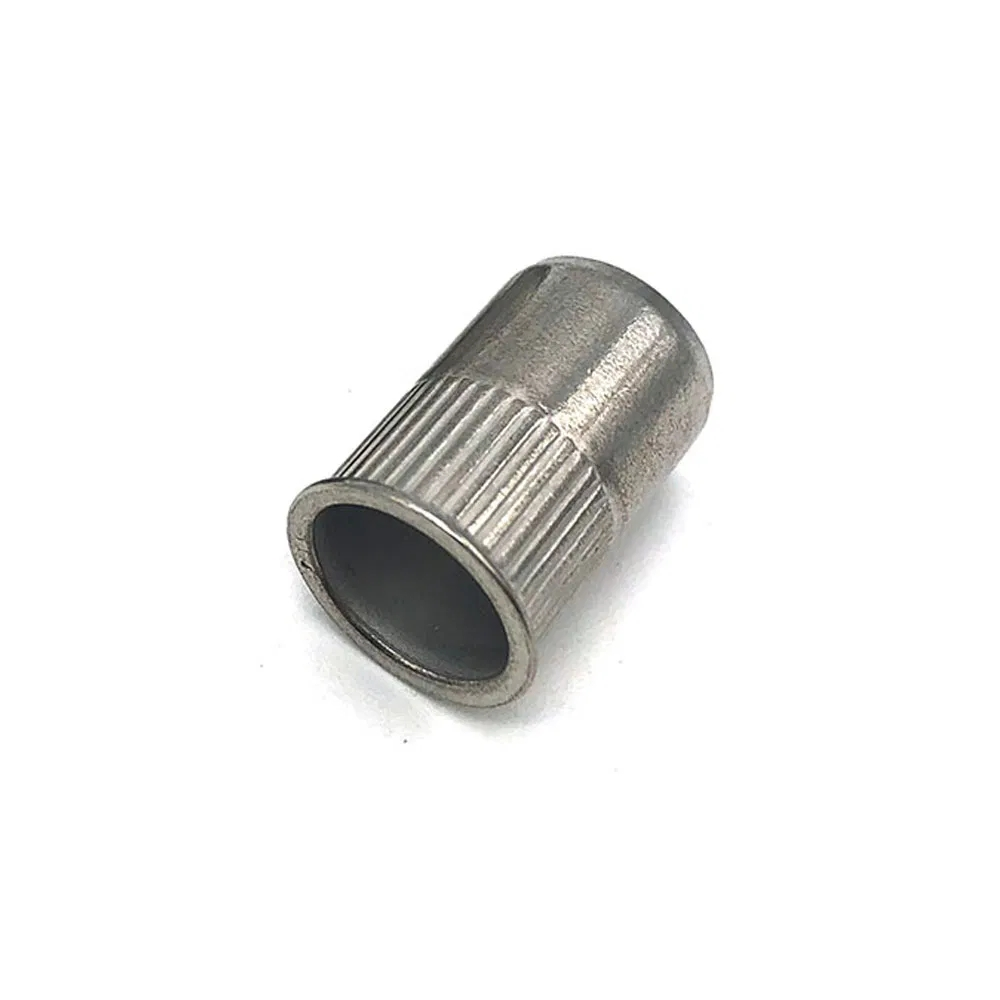
Why Reduce Head Knurled Body Rivet Nuts Excel in Automotive Assembly
Vibration Resistance and Anti-Spin Performance in Chassis and Trim
Rivets with reduced heads and knurled bodies offer much better resistance against rotation when used in car assembly work. The textured surface grabs onto metal sheets so these fasteners won't spin out even when the chassis vibrates constantly. This matters a lot at stress points such as where suspension components attach. Tests have found that these knurled versions can handle about three times as many vibration cycles compared to regular smooth bodied rivet nuts, which means the connections stay intact throughout a vehicle's entire lifespan. Plus, the knurl pattern helps compensate for small differences in hole sizes that happen all the time during trim panel manufacturing. Fewer loose fasteners means less need for fixing problems later on doors, dash areas, and around pillar trims.
Weight and Space Savings Enabled by Low-Profile Reduce Head Design
Reduced head designs cut overall height by around 40% compared to regular rivet nuts. This makes them ideal for flush installations behind things like instrument panels, speaker grilles, and those tight spaces in A/B pillars. The weight savings are pretty impressive too. Each fastener comes in at about 30% lighter than standard versions. When manufacturers replace 100 traditional rivet nuts on a sedan body, they save roughly 1.2 kilograms. What's really important here is that these reductions don't compromise structural integrity. The shear strength remains intact so vehicles stay reliable structurally. At the same time, the weight savings directly impact fuel consumption and help meet emission standards, which is becoming increasingly critical for automakers.
Electronics Manufacturing: Precision Fastening for Thin-Wall Enclosures
Knurled Body Engagement in Sheet MetalâPreventing Spin-Out Under Torque
When working with electronics enclosures, especially ones less than 1 mm thick, the knurled design on reduced head rivet nuts makes all the difference. These textured surfaces bite into thin metal sheets much better than their smooth counterparts. The result? Even distribution of clamping force across the connection point which means fewer problems with stripped threads or parts coming loose after installation. For manufacturers building devices prone to vibrations like cell phones, notebook computers, and portable medical equipment, this kind of secure fastening really matters. Without proper engagement, connections can fail over time leading to performance issues. Another benefit worth mentioning is the flat profile of these nuts. They sit right against the surface they're attached to, so there are no annoying bumps getting in the way inside cramped spaces. This becomes particularly important when dealing with heat dissipation components or battery compartments where every millimeter counts.
High-Reliability Sectors: Aerospace, Medical, and EV Battery Integration
Micro-Movement Mitigation in Critical Vibration-Prone Assemblies
Aerospace and medical equipment often face catastrophic failures from movements measured in fractions of a millimeter. The knurled body's mechanical lock actually stops those tiny shifts that happen when parts vibrate for long periods or go through temperature changes repeatedly. What makes these fasteners special is how they literally bite into whatever material they're attached to, preventing rotation in ways that standard smooth-bodied fasteners just cant do. A recent study published in Fastener Tech Review found these designs cut down on movement by about 72 percent during real world testing conditions. That kind of precision matters a lot in places like satellites where electronics must stay put, robotic surgery tools that need absolute stability, and any application where even the smallest misalignment could spell disaster.
Case Study: Reduce Head Knurled Body Rivet Nut in EV Battery Integration
One major electric vehicle parts manufacturer started using reduced head knurled body rivet nuts in their aluminum battery trays to tackle problems caused by thermal expansion. These issues were creating loose connections and clearance problems around those high voltage busbars which can be really dangerous. The special low profile heads helped prevent short circuits from happening while still keeping the IP67 seal intact, even after thousands of vibrations and over 50,000 temperature changes during normal operation. The knurling pattern on these fasteners made sure they stayed tight throughout all those charge and discharge cycles, no matter how much the materials expanded or shrank with heat. What did this actually achieve? Well, engineers noticed fewer failures in the field, better safety margins, and longer lasting components overall.
- 40% reduction in enclosure maintenance incidents
- 18% faster assembly times via single-sided installation
- Zero electrical isolation breaches observed in field validation
This implementation underscores the fasteners dual role in enabling both functional safety and manufacturing efficiency within high-stakes energy storage systems.
FAQ
-
What are the benefits of using reduced head knurled body rivet nuts in automotive assembly?
These rivet nuts provide superior vibration resistance and prevent fasteners from spinning out, especially important at stress points like where suspension components attach. They also allow for weight and space savings without compromising structural integrity. -
How do knurled body rivet nuts benefit electronics manufacturing?
They ensure secure fastening in thin-wall enclosures, helping to prevent spin-out under torque and allowing even distribution of clamping force. This is crucial for devices prone to vibration. -
Why are these fasteners significant in high-reliability sectors?
Their design mitigates micro-movements in vibration-prone assemblies, which is vital for applications in aerospace, medical equipment, and EV battery integration due to their ability to prevent rotation and maintain stability.