
 EN
EN
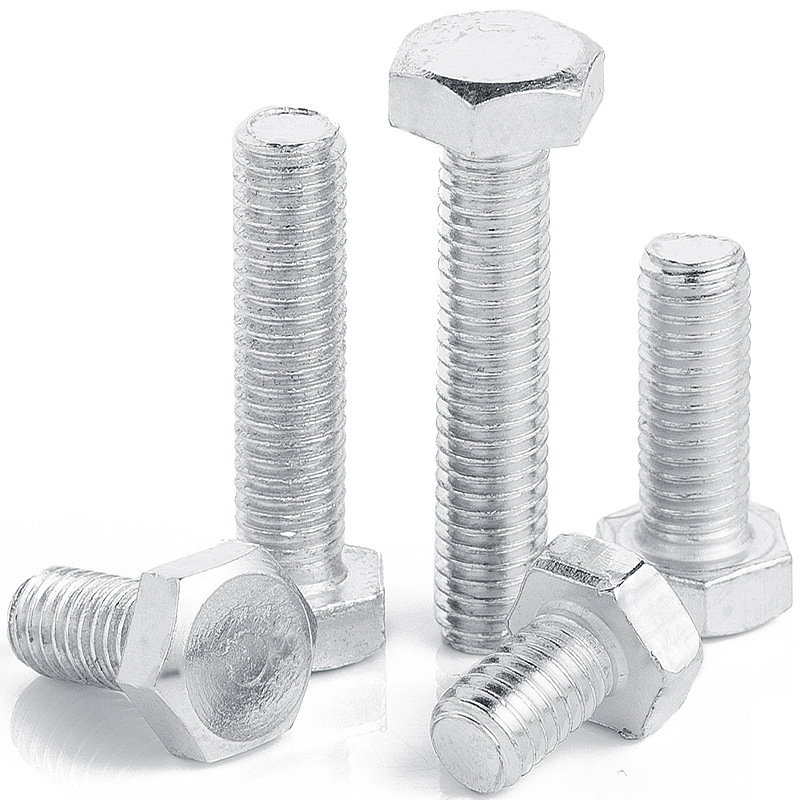
Mechanical Superiority: How Hexagonal Head Bolts Maximize Torque, Grip, and Load Capacity
Hexagonal geometry enables consistent torque transfer and reduced slippage during installation
A six sided shape gives better contact between fasteners and tools, spreading out pressure so it doesn't get concentrated on just one spot. This helps prevent those annoying rounded corners that happen when too much torque is applied, plus keeps the wrench attached even if there's some shaking going on. Compared to Phillips or Torx heads, hex designs let workers adjust their position by almost 120 degrees before needing to reset the tool, which makes a big difference in tight spots where space is limited. Tests from Fastener Engineering Quarterly back this up, showing about 30 percent fewer slip outs compared to square headed bolts during real world stress tests last year. For machines doing repetitive work, these hexagonal heads really shine because they stay aligned consistently, allowing factories to hit target torque specs with only around 3% variation either way.
Resistance to cam-out and superior clamping force retention across repeated assembly cycles
Hex head bolts, particularly the Grade 8.8 versions, stand up much better against cam-out because of those 90 degree contact points on the head. This basically stops the kind of slippage that happens so often with recessed drive systems. Testing under ASTM F606 standards shows these bolts hold onto about 95% of their original clamping power even after being taken apart and put back together fifty times or more. That makes them way better than Phillips head screws, probably somewhere around forty percent better actually. The flat surface at the bottom spreads out the pressure across the joint instead of concentrating it all in one spot, which helps keep steel furniture frames from warping over time. And when manufacturers add those built-in flanges to the hex heads, we're talking about about fifteen percent extra protection against vibrations compared to regular carriage bolts in factory environments.
Structural Reliability: Hexagonal Head Bolts in Load-Bearing Steel Furniture Frames
Comparative strength analysis: hexagonal head bolts vs. Phillips, Torx, and carriage bolts
The hexagonal head bolt design offers better load spreading across steel frame connections compared to other types. Regular Phillips screws tend to slip out when tightened too much, while Torx heads get stripped easily by dust buildup in factories and workshops. Carriage bolts just don't have enough surface area contact to handle sideways forces properly. The six-sided shape of hex bolts transfers about 90 percent of applied torque effectively, which helps spread out pressure points where joints meet. This reduces tiny cracks from forming in furniture frames that twist over time. Testing shows these bolts slip around 35% less than Phillips versions during installation, and they last about 20% longer through repeated tightening cycles compared to Torx alternatives. That makes them a smart choice for anything needing reliable fastening without constant adjustments.
Real-world durability evidence: lower failure rates in modular steel furniture under dynamic loads
Hexagonal bolts have proven their worth in real world applications according to field research. Warehouse managers who switched to modular shelving systems with Grade 8.8 hex bolts saw about 60 something percent fewer problems at the joints compared to shelves held together with Phillips screws after running them for a year. The reason? These bolts maintain their grip better when things get shaken up, whether someone moves stuff around or boxes aren't stacked evenly. Factory floor reports indicate that companies switching to hexagonal fasteners for important connections like T-joints and corner supports end up dealing with roughly 40% fewer warranty issues. Makes sense really when something stays tight where it needs to, everyone saves time and money in the long run.
Manufacturing & Assembly Efficiency: Why Hexagonal Head Bolts Dominate Mass Production
Compatibility with automated tooling, socket wrenches, and high-speed assembly lines
Hex heads work really well with robotic assembly lines and pneumatic tools, allowing for fast installations without needing to reposition parts all the time. Standard socket wrenches bite into the corners every 60 degrees instead of the usual 30 degree increments found on other fasteners. Because of this symmetrical design, technicians can apply good torque at each contact point which cuts down on assembly time by around 40% when compared to Phillips or Torx screws during mass production runs. The shape also helps automated feeding systems get those hex bolts oriented correctly most of the time, so there are fewer jams stopping the production line dead in its tracks.
Versatility across joint types and ease of field re-tightening
Hex head bolts hold their grip really well on all sorts of steel furniture joints. Think about those butt joints where flat panels meet, the mitered corners in frames, even the T-shaped connections that support structures. The six sides on these bolts fit nicely into regular open end wrenches and box wrenches too. That means anyone working on site can tighten or loosen them without needing special tools. Because they work so broadly across different applications, shops don't need to stock multiple types of fasteners. Plus when things get moved around or shifted under weight, these bolts still provide good clamping power when retightened later on. Makes sense why manufacturers keep going back to hex heads for their versatility.
Material and Environmental Optimization for Hexagonal Head Bolts in Steel Furniture
Grade matching (e.g., Grade 8.8, A2-70) and corrosion-resistant finishes for indoor/outdoor use
Choosing the right material grade makes all the difference when it comes to how well something performs and how long it lasts. Take Grade 8.8 bolts for instance they can handle up to 800 MPa of tensile strength which is great for those heavy duty connections where things need to hold together under stress. Then there's A2-70 stainless steel that stands up pretty well against corrosion especially useful in places where humidity is high or near saltwater areas like coastal regions. When working outdoors, applying zinc plating or going with hot dip galvanization according to ASTM A153 standards creates what's called a sacrificial layer protecting against moisture damage. Tests show this treatment cuts down on rust problems by about 60% even in harsh weather conditions. Getting the grades and finishes right means avoiding two common mistakes either spending too much money on something stronger than needed or ending up with parts that simply aren't strong enough for the job at hand. From an environmental standpoint, these corrosion resistant hex head bolts tend to last longer between replacements. Fewer replacements mean less waste and fewer raw materials consumed overall, which actually matters quite a bit when designing furniture made from steel if sustainability is part of the goal.
FAQ
What are the advantages of hexagonal head bolts?
Hexagonal head bolts provide better torque transfer, resistance to cam-out, and consistent clamping force, making them ideal for heavy-duty applications.
Why are hexagonal head bolts preferred in mass production?
Hexagonal head bolts are compatible with automated tooling and assembly lines, reducing assembly time and improving efficiency.
How do hexagonal head bolts contribute to structural reliability?
Hexagonal head bolts spread load more effectively, minimizing joint stress and reducing failure rates in load-bearing applications.
What are the benefits of corrosion-resistant finishes on hexagonal head bolts?
Corrosion-resistant finishes extend the lifespan of hex head bolts in harsh environments, reducing replacements and environmental impact.
Table of Contents
- Mechanical Superiority: How Hexagonal Head Bolts Maximize Torque, Grip, and Load Capacity
- Structural Reliability: Hexagonal Head Bolts in Load-Bearing Steel Furniture Frames
- Manufacturing & Assembly Efficiency: Why Hexagonal Head Bolts Dominate Mass Production
- Material and Environmental Optimization for Hexagonal Head Bolts in Steel Furniture
- FAQ