
 EN
EN
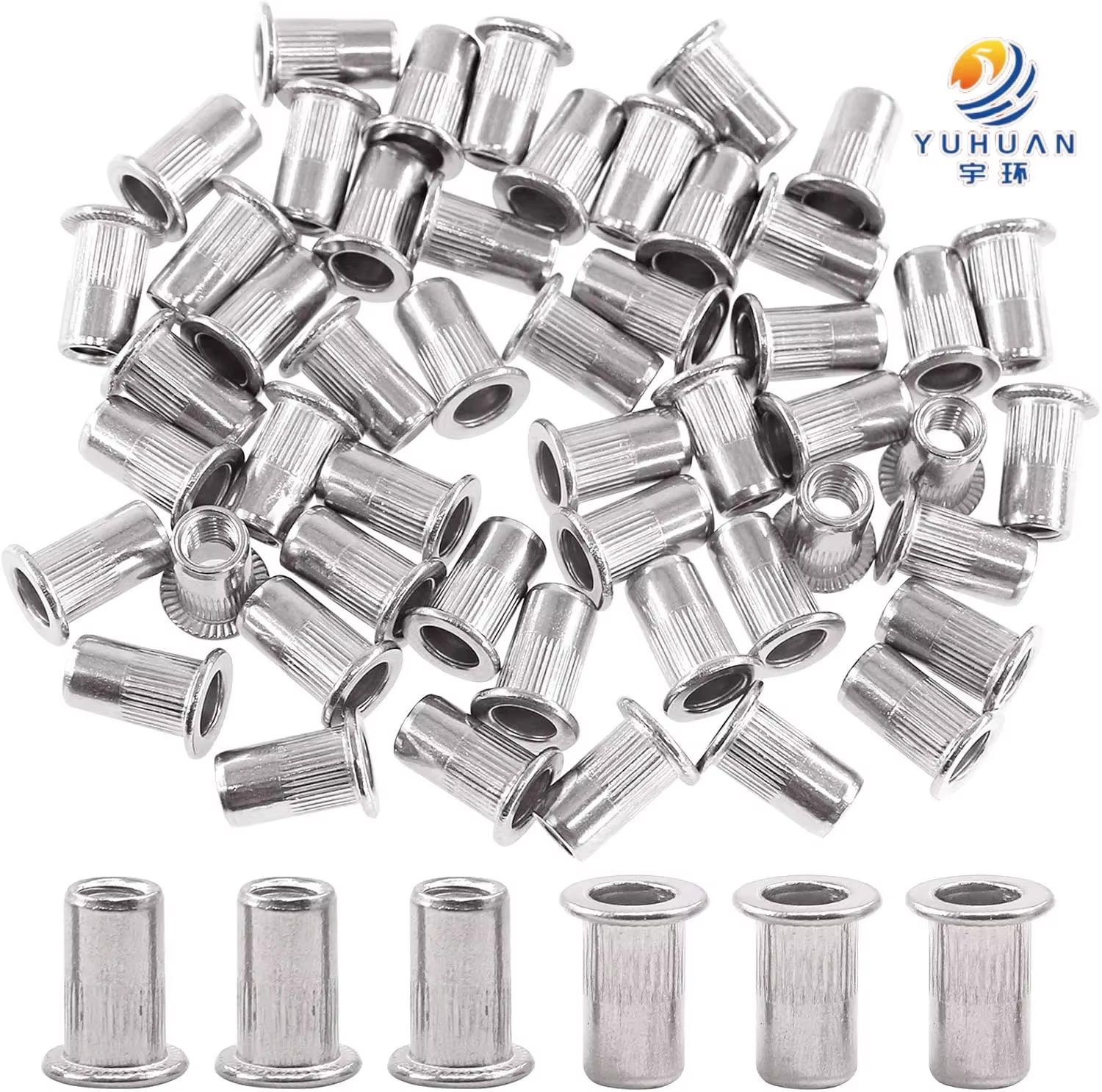
Tekis boshli tishli tanali rivet g'ovakning asosiy dizayn xususiyatlari
Tekis boshli profil: Yakunlangan sirtlarga tekis, past profilga ega o'rnatishni ta'minlash
Tekis boshli dizaynlar haqiqatan ham shu kabi domak shaklidagi rivetlarga nisbatan taxminan 40 foizga ko'proq kontakt maydonini ta'minlaydi. Bu esa aluminium yoki ingichka plastik varaq kabi deformatsiyaga uchraydigan materiallarga mahkamlash paytida bosimni yaxshiroq tarqatishni anglatadi. Shuningdek, bu shakl 'tekis yakun' deb ataladigan natijani beradi — bu telefonlar yoki avtomobil korpusi qismlari kabi ko'rinish ahamiyatli bo'lgan narsalarda juda muhim. Bundan tashqari, bu narsalarga qo'lingizni qo'yganida qo'pol chetlarni yo'q qiladi va doimiy silkinish va harakatga duch kelganda ham barcha narsa butunligini saqlab turadi.
Tishli tanali geometriya: Ingichka asosli materiallarda buruvish momentini uzatish va chiqarishga qarshi qarshilikni maksimal darajada oshirish
Bekituvchi tanasidagi yirtilgan (shakllantirilgan) qism materialga o'rnatilganda unga mahkamlanish uchun maydanoq tishlarni hosil qiladi. Bu maydanoq tishlar siqilganda tashqi tomonda bosim hosil qilib, teshiklardagi bo'shliqlarni to'ldiradi va mustahkam mexanik bog'lanishni yaratadi. Yirtilgan (shakllantirilgan) bekituvchilarning ishlash usuli ularni oddiy silliq bekituvchilarga nisbatan taxminan 70% ko'proq sirt kontakti bilan ta'minlaydi, shuningdek, ular aylanish kuchlarini 25 Nyuton-metrdan ham yuqori darajada qabul qila oladi. Agar qalinligi 2 mm dan kam bo'lgan ingichka varaqsimon metall bilan ishlansa, standart sanoat testlariga ko'ra, yirtilgan (shakllantirilgan) bekituvchilar o'z yirtilmagan (shakllantirilmagan) analoglariga nisbatan uch baravar yaxshi ushlab turadi. Bu vibratsiya yoki harakat natijasida ulanishlar vaqt o'tishi bilan loyihalangan joyidan chiqib ketishi mumkin bo'lgan ilovalarda juda muhim ahamiyatga ega.
Ishonchli o'rnatish uchun muhim material, rezba va ushlab turish doirasidagi texnik talablar
Material tanlovi yuk, korroziya va issiqlik muhitida ishlash samaradorligini bevosita belgilaydi:
| Xususiyat | Alyuminiy varianti | Zanglamaydigan po'lat varianti |
|---|---|---|
| Tortish kuchi | 220 MPa | 600 MPa |
| O'tkazma diapazoni | 0.5–3.0 mm | 0,8–4,0 mm |
| Tirnag turilari | M3–M8 (metrik gavdalash) | #4–3/8" (UNC/UNF) |
To'g'ri ushlab turish doirasiga mos kelish juda muhim: kichik o'lchamli ushlagichlar g'ovakliklarga to'liq kirib olmaydi va ushlab turish qobiliyatini pasaytiradi; katta o'lchamli ushlagichlar esa asos materialining singan yoki burilgan holatga kelish xavfini keltiradi. Umumiy maqsadlarda g'ovakliklari kattaroq boltlar hukm suradi, ammo vibratsiya kuchli muhitda — g'ovakliklari maydaroq UNF boltlar afzal ko'riladi, chunki bunda g'ovakliklarning bo'shab ketish ehtimoli minimalga tushiriladi.
Tekis boshli g'ovakli jismli rivet g'altaklarini sizning qo'llanishingiz talablariga moslashtirish
Asos materiali bilan moslik: Ushlab turish doirasi, mandrel kuchi va asos materialining qattiqlik darajasini moslashtirish
Yaxshi natijalarga erishish asosan qisqichning qamrab oladigan doirasini materialning haqiqiy qalinligi bilan moslashtirishga bog'liq. Moslikda nuqson bo'lsa, narsalar tezda nosozlikka uchray boshlaydi. Agar qisqich juda qisqa bo'lsa, tishli qism (knurl) yetarli ushlab turish kuchi olmaydi va qismlar yuklanish ostida yechilib ketadi. Aksincha, agar qisqich nozik materiallar, masalan, quyilgan aluminiy uchun juda uzun sozlangan bo'lsa, ish jarayonida deformatsiya yoki hatto troshinlar hosil bo'lishi kuzatiladi. Shuningdek, mandrel kuchini ishlatilayotgan metall turiga qarab sozlash ham shu qoidaga amal qiladi. Qattiqroq qotishmalar ustiga ortiqcha bosim o'tkazilsa, ular darhol troshinlanadi. Qattiqroq po'lat ustiga esa yetarli bosim o'tkazilmasa, tishli qism (knurl) umuman chuqur kirib tushmaydi. Har qanday o'rnatish sozlamalarini yakunlab qo'yishdan oldin, ishlab chiqaruvchining moslik jadvallarini tekshirib chiqing. Ular turli kombinatsiyalarni yillar davomida sinab ko'rgan va ularning ma'lumotlari keyinchalik ko'p miqdordagi muammolardan saqlab qolishga yordam beradi.
Yuk ko'rsatkichi: Struktural ishonchlilikni ta'minlash uchun kesish va cho'zilish chidamliligini baholash
Struktural ishonchlilik haqida gap ketganda, ham kesish, ham cho'zilish chidamliligi talablarini tekshirish mutlaqo zarur. Kesish chidamliligi asosan nima qadar yaxshi yon tomondagi kuchlarga qarshilik ko'rsatishi mumkinligini aytib beradi; bu avtomobil tanasi panellari kabi birga tebranadigan detallar uchun juda muhim. Keyingisi — cho'zilish chidamliligi, ya'ni o'q yo'nalishida tortish kuchlariga chidamlilik; bu haqiqatan ham og'irlikni uzatadigan ulagichlar uchun juda muhim. Bu komponentlarning g'ildirakli (tishli) sirti katta ahamiyatga ega, chunki u detallar orasidagi sirt maydonini kengaytiradi va shuningdek, mexanik qulflanishni yaxshilaydi. Sinovlar shuni ko'rsatdiki, g'ildirakli rivet g'altaklarini silliq g'altaklarga qaraganda ishlatganda, ular tebranishlarga taxminan 40% yaxshiroq chidamli bo'ladi. Shu sababli ko'p muhandislar yuqori darajadagi kuchlanish va doimiy harakat sodir bo'ladigan vaziyatlarda ushbu qismlarning zanglamaydigan po'lat versiyalarini afzal ko'radi.
Tekis boshli g'ildirakli jismli rivut g'altaklari va boshqa rivut g'altak turlari
To'g'ri rivut g'ovsini tanlash — turli ishlash omillarini bir-biriga qarama-qarshi qo'yishni anglatadi. Tekis boshli, yuzasi g'ovsli g'ovslar sirtga tekis yotish, yuklarni teng taqsimlash va aylanmasdan o'rnatib qolish kerak bo'lganda eng yaxshi ishlaydi. Ular avtomobil korpusi panellari yoki telefon qopqoqlari kabi yengil materiallarda ayniqsa foydali. Konussimon boshli g'ovslar yanada tekisroq bo'ladi, lekin ularga mahkamlanayotgan narsaga tegadigan sirt maydoni kamroq bo'ladi, shu sababli ham bosimni shunchalik yaxshi taqsimlamaydi. Ba'zi ishlab chiqaruvchilar montaj ichida joy cheklovlari bo'lganda boshning o'lchamini kamaytirilgan dizaynlarini tanlaydilar, ammo bu mahkamlanish kuchi va tortishishga chidamlilikning pasayishiga olib keladi. Olti burchakli tanali g'ovslar buruvish momentini ancha yaxshi uzatadi, shu sababli qo'shimcha mustahkamlik talab qilinadigan og'ir ishlarda ular eng mosdir. Oddiy tanali g'ovslar arzonroq bo'ladi va harakatsiz qoladigan oddiy qalinlikdagi materiallar uchun yaxshi ishlaydi. Qalinligi kam materiallar, yumshoqroq metallar yoki ish paytida tebranishi mumkin bo'lgan detallar bilan ishlashda tekis boshli, yuzasi g'ovsli g'ovslar hali ham eng yaxshi tanlovdir, chunki ular yaxshi ushlab turish qobiliyatiga ega, tashqi ko'rinishi chiroyli va orqa tomoniga kirish imkoniyati bo'lmasa ham faqat bitta tomondan o'rnatilishi mumkin.
Amaliyotda sinab ko'rilgan qo'llanishlar: Tekis boshli g'ildirakli tanali rivet g'ovaklarining optimal ishlashi
Avtomobil tashqi panellari yig'ilishi: G'ildirakli ushlab turish orqali tebranishdan qulflashni oldini olish
Tekis boshli, g'ovakli tanali rivut g'ovaklari avtomobilning tashqi panellari — masalan, g'ildirak qopqoqlari, yon paneli va turli bezak detallarini o'rnatish uchun deyarli standartga aylangan. Bu detallar doimiy yo'l titrashlariga chidashlari kerak, shuning uchun ular juda yaxshi ushlab turish xususiyatlariga ega bo'lishlari talab etiladi. G'ovakli tanali qism aslida sovutlangan po'lat yoki aluminiy varaqqa siqilganda mayda bog'lanishlar hosil qiladi. Sinovlar shuni ko'rsatadiki, bu dizayn ISO 14587 va SAE J2249 sanoat standartlariga asoslangan sinovlarga ko'ra, oddiy silliq versiyalarga nisbatan chiqarishga qarshi qarshilikni taxminan 40 foizga oshiradi. Boshqa bir afzallik shundaki, tekis bosh sirt bilan mutlaqo bir tekislikda joylashadi, ya'ni havo qarshiligi muammolari yoki suv to'planib, rust hosil bo'lishi mumkin bo'lgan joylar vujudga kelmaydi. Shuningdek, ularni faqat bitta tomondan o'rnatish mumkin bo'lganligi sababli, payvandlash talab etilmaydi va shu sababli ishlab chiqarish jarayonida materiallarning burilish xavfi kamayadi. Bu ularni tezlik eng muhim ahamiyatga ega bo'lgan avtomatlashtirilgan montaj liniyalari uchun ideal qiladi.
Ist потребитель elektronikasi korpuslari: Yengil qalinlikdagi korpuslarda tozalik va ishonchli biriktirishni ta'minlash
Elektron qurilmalarni ishlab chiqarishda ushbu mayda rivnut g'ovaklar (rivnut g'ovaklari) mustahkam mexanik kuch va yaxshi ko'rinishga bo'lgan ehtiyojlar ikkalasini ham qondiradi. Ular maxsus tishli naqshga ega bo'lib, 1,2 mm dan qalin bo'lmagan yengil materiallarga — masalan, aluminiy yoki kuchaytirilgan plastmassalarga o'rnatilganda kuchni tarqatadi. Bu montaj paytida shaffoflik hosil bo'lishini oldini oladi va threadlarning aksariyat qismini to'g'ri o'rnashishini ta'minlaydi. Ushbu komponentlarning haqiqiy foydali jihati — ularning tekis bosh qismi sifatida sirtga aniq joylashishi. Ular qurilmaning boshqa qismlariga qo'pol qilib o'rnatilganda hech narsaga qo'rqib qolmaydi va elektron platalarga yetarli joy qoldiradi, lekin biriktirish kuchini pasaytirmaydi. Ishlab chiqaruvchilar bu kombinatsiyani juda yaxshi ko'radilar, chunki u ularga yuqori darajadagi elektronika mahsulotlarida iste'molchilarning talab qiladigan toza va zamonaviy ko'rinishni saqlab, barcha urilish testlaridan o'tadigan mustahkam mahsulotlar yaratish imkonini beradi.
Tez-tez so'raladigan savollar
Tekis boshli, g'ovakli jismli rivet g'altakning asosiy afzalliklari nimalardan iborat?
Asosiy afzalliklar tekis o'rnatish, materiallar ustida bosimni yaxshiroq taqsimlash, yuqori buruv momentini uzatish va ingichka asosli materiallarda chiqarishga qarshi qarshilikni oshirishni o'z ichiga oladi.
Rivet g'altaklarda g'ovaklanish nima uchun muhim?
G'ovaklanish sirt bilan aloqani yaxshilaydi, materialda tishli izlar hosil qilib, obyektlarni mustahkamroq ushlashga yordam beradi hamda aylanma kuchlar va tebranishlarga qarshi qarshilikni oshiradi.
Rivet g'altaklarni to'g'ri o'rnatish uchun qanday usullar qo'llaniladi?
To'g'ri o'rnatish material qalinligiga mos keladigan ushlab turish doirasini sozlash, kesish va cho'zilish kuchlarini baholash hamda mandrel kuchini material xususiyatlariga mos ravishda sozlashni o'z ichiga oladi.
Tekis boshli, g'ovakli jismli rivet g'altaklar qaysi sohalarda keng qo'llaniladi?
Ular avtomobil sanoatida panellar yig'ilishida hamda iste'molchilarga mo'ljallangan elektronika mahsulotlarida ingichka qalinlikdagi korpuslarga komponentlarni mahkamlashda keng qo'llaniladi.
Mundarija
-
Tekis boshli tishli tanali rivet g'ovakning asosiy dizayn xususiyatlari
- Tekis boshli profil: Yakunlangan sirtlarga tekis, past profilga ega o'rnatishni ta'minlash
- Tishli tanali geometriya: Ingichka asosli materiallarda buruvish momentini uzatish va chiqarishga qarshi qarshilikni maksimal darajada oshirish
- Ishonchli o'rnatish uchun muhim material, rezba va ushlab turish doirasidagi texnik talablar
- Tekis boshli g'ovakli jismli rivet g'altaklarini sizning qo'llanishingiz talablariga moslashtirish
- Tekis boshli g'ildirakli jismli rivut g'altaklari va boshqa rivut g'altak turlari
- Amaliyotda sinab ko'rilgan qo'llanishlar: Tekis boshli g'ildirakli tanali rivet g'ovaklarining optimal ishlashi