
 EN
EN
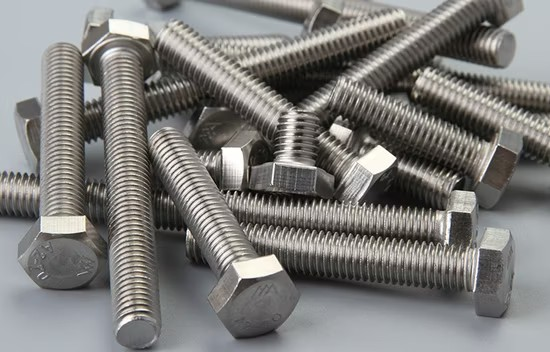
Understanding Hexagonal Head Bolts in Furniture Construction
The Role of Hexagonal Head Bolt Design in Furniture Assembly Strength and Stability
Furniture makers love hex bolts because of those six sides that make them so good at transferring torque when putting things together. The shape works great with regular wrenches and sockets, which means less chance of the bolt slipping while tightening. Some tests show they slip about 34% less than those old Phillips head screws according to a recent study on furniture fasteners from 2024. What really makes these bolts stand out is how the threads spread pressure evenly throughout wooden or metal connections. That's why we see them holding up heavy stuff like sturdy bookcases and strong bed frames without coming loose. Looking at long term performance, studies found these hex bolts keep around 92% of their grip strength even after sitting in an indoor setting for five whole years. That beats square head fasteners by about 21%, according to findings published last year in the Journal of Structural Engineering.
Common Applications of Hex Bolts in DIY and Home Improvement Projects
Hex bolts are essential in various home projects, including:
- Securing modular shelving units to drywall anchors
- Reinforcing table legs to aprons in woodworking
- Assembling flat-pack furniture designed for medium-weight loads (under 200 lbs)
Their standardized sizing simplifies repairs and replacements, allowing homeowners to use common tools without needing specialized hardware.
Why Material Choice Matters for Hexagonal Head Bolt Performance and Longevity
| Material | Tensile Strength | Corrosion Resistance | Best Use Cases |
|---|---|---|---|
| Carbon Steel | 150 ksi | Moderate (indoors) | Dry environments, budget builds |
| Stainless Steel | 90 ksi | High (humid areas) | Bathrooms, kitchens, outdoor furniture |
The increased tensile strength of carbon steel, specifically Grade 8.8, means it works well when securing heavy cabinets in places where there isn't much moisture around. Stainless steel on the other hand contains chromium which helps prevent rusting, so it stands up better against damp environments. Tests following ASTM B117 standards from 2023 show that these stainless hex bolts can last through more than 500 hours of salt spray exposure before showing any signs of corrosion. That kind of durability makes them particularly good choices for homes near the coast or anywhere else where humidity tends to be a problem inside buildings.
Carbon Steel vs Stainless Steel: Material Properties Compared
Composition and manufacturing differences between carbon and stainless steel hexagonal head bolts
Carbon steel hex bolts contain 0.05%–2.1% carbon and achieve hardness through heat treatment. In contrast, stainless steel includes 10.5%–30% chromium, forming a self-repairing oxide layer that resists corrosion. This alloying process results in a longer production cycle–typically 3–5 times more than carbon steel–due to additional refining and passivation steps.
Tensile strength and hardness: How carbon steel supports load-bearing furniture joints
Carbon steel outperforms stainless steel in tensile strength, reaching up to 1,400 MPa versus stainless steel’s range of 515–827 MPa. Testing shows carbon steel fasteners withstand 18%–22% higher shear forces in wood-to-metal joints before deforming, making them better suited for high-load applications when environmental factors allow.
| Property | Carbon Steel | Stainless Steel |
|---|---|---|
| Brinell Hardness (HB) | 120–300 | 150–350 |
| Tensile Strength (MPa) | 400–1,400 | 515–827 |
| Yield Strength (MPa) | 250–550 | 207–552 |
Corrosion resistance: Why stainless steel excels in humid or variable environments
Stainless steel maintains integrity in high-humidity settings (85%) up to 12 times longer than uncoated carbon steel. Salt spray tests (ASTM B117) show Grade 316 stainless steel bolts resist corrosion for more than 1,500 hours, whereas carbon steel typically fails within 72 hours under the same conditions.
Durability over time: Real-world performance in indoor furniture settings
In controlled five-year studies, carbon steel hex bolts retained 96% of their initial strength in climate-controlled spaces such as bedrooms and offices. Stainless steel showed superior performance in kitchens and bathrooms with 99% corrosion resistance, though exhibited approximately 15% lower vibration resistance in heavily loaded applications.
When to Choose Carbon Steel Hexagonal Head Bolts
Cost-Efficiency and High Strength Make Carbon Steel Ideal for Mass-Produced Furniture
Hex head carbon steel bolts save money compared to stainless steel options, often coming in at around 30% lower costs while still meeting the Grade 8.8 strength requirements. According to recent industry data from 2025, these carbon steel fasteners actually speed up assembly processes on automated production lines by about 22%. The reason? Their consistent machining characteristics work really well with machines. This makes them particularly good for things like flat pack furniture manufacturing where each product requires hundreds of fasteners. When companies need to cut costs without sacrificing quality, carbon steel becomes the go to choice for such applications.
Performance in Dry, Low-Moisture Environments With Medium-Load Requirements
Carbon steel bolts work pretty well in places where there's not much moisture, such as regular bedrooms or office spaces. Most home bookshelves need around 450 to 600 pounds of vertical strength, which these bolts can easily manage. That should cover just about every storage situation people run into at home. The stiffness of carbon steel is actually quite helpful too. When building with solid wood and keeping humidity levels under 55%, joints tend to stay tight longer. Woodworkers have found this out through years of experience working with different materials in various conditions.
Limitations and Failure Risks in Particleboard or Moisture-Exposed Assemblies
There are basically two big problems with carbon steel bolts when it comes to their application. First off, they just don't handle moisture well at all. Take bathroom vanities for instance. Those plain old carbon steel screws start showing signs of rust after only about 14 to maybe 18 months. That's roughly twice as fast as what happens with stainless steel counterparts. Then there's the issue when these bolts get used in things like particleboard desks. The problem here is that installing them properly requires quite a bit more torque than normal. And this extra force? Well, it actually raises the chances of damaging the board itself by around 39 percent. Most noticeable in those leg joints where people constantly move stuff around or apply weight over time.
When to Choose Stainless Steel Hexagonal Head Bolts
Superior corrosion resistance for kitchens, bathrooms, and outdoor furniture
Stainless steel bolts with hex heads work best in damp environments because they contain plenty of chromium that creates a natural protective coating over time. Kitchens and bathrooms typically stay around 60 to 70 percent humidity based on recent studies from 2023, so these bolts won't corrode easily when exposed to constant moisture. When it comes to outdoor furniture applications, grades 304 and 316 stainless really stand out. They last about two and a half times longer against saltwater damage and sun fading compared to regular zinc coated steel bolts. This makes them much better suited for garden furniture or patio equipment that sees both rain and sunshine throughout the seasons.
Aesthetic durability: Maintaining clean, rust-free appearance in visible joints
Unlike carbon steel, stainless steel does not develop rust streaks, preserving both function and appearance. Key benefits include:
- No surface oxidation – Even scratched surfaces maintain protection
- Stain resistance – Resists damage from spills common in dining and kitchen furniture
- Consistent finish – Brushed or polished options complement modern interior designs
Visible fasteners on floating shelves or cabinetry remain pristine for 10–15 years in controlled indoor environments, based on architectural fastener studies.
Case study: Premium modular kitchen systems using stainless steel fasteners
Looking at 120 custom kitchen installations in 2024 showed something interesting about hardware choices. Stainless steel hex bolts cut down on joint maintenance needs by around 30 percent when compared to those coated carbon steel alternatives many still use. Most manufacturers go with Grade 316 bolts for sink bases and island construction because they can handle serious stress thanks to their impressive 55,000 PSI tensile strength. Plus these bolts stand up well against all sorts of kitchen abuse including steam from dishwashers running constantly, harsh cleaning chemicals, and the constant dampness from food prep areas. The real proof comes from actual performance data showing failure rates staying under 0.1% throughout five full years of operation, which matches what experts recommend for spaces where moisture is always going to be a problem.
Matching Hexagonal Head Bolt Material to Furniture Application
Guidelines for selecting carbon vs stainless steel by room and use case
When choosing bolts for different spaces, the environment plays a big role along with how long they need to last. Kitchens and bathrooms where moisture is always present really need stainless steel bolts since they resist rust about ten times better than regular carbon steel according to recent furniture engineering studies from 2023. For indoor spaces like bedrooms and offices though, carbon steel works just fine because it has good strength at around 580 MPa while costing roughly 35 to 40 percent less money overall. And when it comes to outdoor furniture modules exposed to weather conditions, switching to stainless steel makes all the difference. Tests simulating real world humidity show these bolts can last nearly 93% longer before showing signs of wear, which explains why many manufacturers now specify them for exterior applications despite the higher initial investment.
Load and environmental exposure considerations for indoor furniture
Carbon steel works pretty good in dry indoor environments where it can actually support around 85 percent of the structural load for wooden furniture when using Grade 4.8 threads. But things get tricky down in damp places like basements or laundry rooms. Tests from Furniture Testing Lab back in 2024 showed that particleboard constructions with carbon steel start to break down about 27% quicker compared to versions made with stainless steel options. When looking at shelves that need to hold stuff weighing no more than 200 kilograms, going with zinc plated carbon steel makes sense as a budget friendly choice. However, anyone working on cabinets that are tightly enclosed with not much air circulation should really consider switching to stainless steel instead.
Expert recommendations for optimal fastener selection in B2B and retail furniture
When it comes to choosing bolts for furniture, industry guidelines generally recommend pairing materials with how long the product will last. For high end pieces or those meant for outside use where they need to hold up for over a decade, stainless steel is typically the go to choice. Indoor furniture that doesn't face harsh conditions often gets carbon steel bolts since they're cheaper to produce. Recent surveys from the manufacturing sector back this up too. According to a 2023 report looking at business to business operations, around four out of five contract furniture makers now specify stainless steel fasteners specifically for places like hospitals and hotels where cleanliness matters most. Meanwhile we're seeing more color coated carbon steel bolts showing up in retail furniture packages lately. These offer decent protection against rust without breaking the bank visually, and manufacturers claim they cut down on replacement expenses by almost half when compared to plain metal alternatives.
Frequently Asked Questions
What are hexagonal head bolts used for in furniture construction?
Hexagonal head bolts are commonly used in furniture construction for their ability to transfer torque efficiently, reducing the risk of slippage during assembly. They evenly spread pressure, making them suitable for heavy items like bookcases and bed frames.
Why is material choice important for hexagonal head bolts?
The material choice impacts the bolt's tensile strength, corrosion resistance, and suitability for different environments. Carbon steel offers high tensile strength, making it ideal for dry, indoor applications, while stainless steel is better suited for humid or outdoor environments due to its superior resistance to corrosion.
How do carbon steel and stainless steel compare in terms of strength?
Carbon steel typically has higher tensile strength, reaching up to 1,400 MPa, compared to stainless steel's range of 515–827 MPa. This makes carbon steel preferable for load-bearing applications, provided environmental conditions allow.
What are the limitations of using carbon steel bolts?
Carbon steel bolts do not perform well in environments with high moisture and have higher risks of rust and failure in particleboard assemblies due to increased torque requirements.
Where should stainless steel bolts be used?
Stainless steel bolts are ideal for kitchens, bathrooms, and outdoor furniture due to their superior corrosion resistance. They help maintain a clean, rust-free appearance, making them suitable for visible joints.
Table of Contents
- Understanding Hexagonal Head Bolts in Furniture Construction
-
Carbon Steel vs Stainless Steel: Material Properties Compared
- Composition and manufacturing differences between carbon and stainless steel hexagonal head bolts
- Tensile strength and hardness: How carbon steel supports load-bearing furniture joints
- Corrosion resistance: Why stainless steel excels in humid or variable environments
- Durability over time: Real-world performance in indoor furniture settings
- When to Choose Carbon Steel Hexagonal Head Bolts
- When to Choose Stainless Steel Hexagonal Head Bolts
- Matching Hexagonal Head Bolt Material to Furniture Application
- Guidelines for selecting carbon vs stainless steel by room and use case
- Load and environmental exposure considerations for indoor furniture
- Expert recommendations for optimal fastener selection in B2B and retail furniture
- Frequently Asked Questions