
 EN
EN
Understanding Hexagonal Nuts and Their Role in Furniture Construction
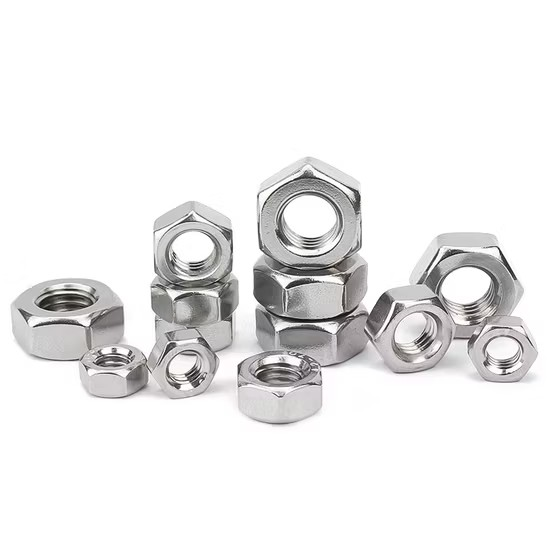
What Are Hexagonal Nuts? A Basic Definition and Structure
Hex nuts have those six sides we all recognize, with threads inside that fit onto bolts and screws. The shape isn't just for looks either it gives wrenches several good spots to grip when tightening things down. Most folks will find these nuts made from regular steel, sometimes stainless steel if they need something that lasts longer outdoors, or brass for certain applications. What makes them work so well in wooden projects is this sweet spot between being tough enough to hold up under stress but still resistant to rusting away over time, which matters a lot when working with wood that tends to absorb moisture.
Common Applications of Hexagonal Nuts in Modern Furniture Assembly
When building furniture, hex nuts are commonly used to hold together weight bearing joints in everything from beds to cabinets and those modular shelf systems we all love. These little components really shine when it comes to adjustable parts though. Think about those mechanisms in recliners or the connectors on flat pack furniture boxes everyone assembles at home. According to some recent numbers from last year's industry report, around three out of four manufacturers actually choose hexagonal nuts instead of square ones or wing nuts because they just work better in tight spots where space is limited. Makes sense really since getting a good grip matters most when putting things together properly.
Types of Hexagonal Nuts Used in Furniture Design
- Flange nuts: Integrate a built-in washer to distribute stress in particleboard joints
- Nylon-insert lock nuts: Prevent loosening in vibrating furniture (e.g., office chairs)
- Cap nuts: Provide finished aesthetics in visible areas like table bases
Each type addresses specific challenges, from maintaining alignment in knockdown furniture to resisting wood moisture-induced corrosion.
Achieving Optimal Compatibility Between Hexagonal Nuts and Bolts in Wood Joinery
Getting the threads aligned right is pretty much essential if we want furniture joints that actually hold up over time. When working with hex nuts, they need to fit the bolt both in terms of thread spacing and size otherwise things just won't grip properly. Even tiny mismatches around 0.2 mm can cause problems down the road, especially where there's movement involved in the joint itself. Woodworkers generally go for coarser threads when dealing with MDF boards since those materials tend to be softer. Fine threads work better with hard woods such as oak or maple because they bite into the material more effectively. As far as nuts go, it's wise to pick ones wide enough to cover at least two layers of wood veneer. This helps keep everything from coming apart under normal stress conditions.
Research shows that hex nuts that sit properly in their threads offer better resistance against rotation than square or wing nuts do. The problem comes when parts don't match up right. This mismatch causes most failures on site, especially with those cheap flat pack furniture items we see everywhere these days. When the nuts aren't tightened enough, joints just slip apart. Smart manufacturers now demand threading systems checked by lasers to hit those tight tolerances below 0.04 mm either way. Getting this level of precision helps maintain proper clamping force throughout all the products coming off the assembly line.
Key Benefits of Hexagonal Nuts in Furniture Fastening Systems
Hexagonal nuts have become essential components in modern furniture assembly due to their unique combination of mechanical advantages and ease of installation. Unlike square or wing-nut designs, the hexagonal shape provides six contact points for tools, creating efficient torque transfer while minimizing slippage risks.
Superior Torque Resistance Compared to Alternative Nut Types
Hex nuts have those six flat sides which actually gives them about 40% more surface area for wrench contact than round bolts do, according to some recent engineering research from last year. The shape really helps keep tools from slipping off while tightening, something that becomes super important when dealing with hardwood projects where plenty of pressure is needed to get things secure. Factory folks tell us they see around 72% less thread damage happening with these hexagonal nuts compared to their square cousins, especially when workers take care to match the right size wrench to each job.
Durability Under Repeated Stress in Adjustable and Movable Joints
Hex nuts maintain structural integrity through an average of 500 adjustment cycles in reclining mechanisms and sliding drawers, compared to 300 cycles for nylon-insert alternatives. The symmetrical shape distributes rotational forces evenly across all faces, reducing localized wear in frequently adjusted components like height-adjustable table legs.
Enhancing Structural Integrity in Wooden Furniture Frames
Precision-machined hexagonal nuts create uniform pressure distribution at joint interfaces, preventing wood splitting in load-bearing frames. Testing shows furniture using standard hex nuts withstands 2.8x greater racking force than those secured with standard washers alone, making them particularly effective for bookcase and cabinet constructions.
Best Practices for Installing Hexagonal Nuts in Furniture Assembly
Proper Tightening Techniques Using Wrenches and Socket Tools
Getting things fastened right starts with applying just the right amount of torque. A good idea is to grab a properly calibrated torque wrench and work up to the desired setting in small steps around 15 to 20 percent at a time. This gives those hex nuts a chance to settle in place without putting unnecessary stress on the wood fibers. When working with tougher woods such as oak or maple, it's actually wise to back off on the torque numbers by about 10 to 15 percent compared to what we'd use for softer woods. Otherwise there's a real risk of stripping those threads completely. Speaking of tools, anyone who has ever dealt with socket sets knows that the ones with six points of contact really hold better than their twelve-point counterparts. These six-point sockets just seem to bite into bolts more securely, which makes all the difference when coming down hard on that last bit of tightening.
Avoiding Over-Tightening: Balancing Security and Material Protection
The 2024 Furniture Hardware Report found 23% of assembly failures stem from over-compressed joints. Implement these safeguards:
- Torque Limits: 4–6 N·m for M6 nuts in particle board, 8–10 N·m for solid hardwoods
- Compression Indicators: Stop tightening when wood surfaces make full contact
- Recovery Checks: Wait 2 minutes after tightening to assess material rebound
Step-by-Step Guide to Installing Hex Nuts in Modular Furniture
- Align bolt threads perpendicular to the hex nut’s axis
- Hand-tighten until resistance occurs (≈1.5 thread rotations)
- Apply wrench force clockwise while stabilizing the bolt head
- Verify joint integrity with a 5° lateral movement test
Dry Tightening vs. Thread-Locking Adhesives: Pros and Cons for End Users
| Factor | Dry Tightening | Thread-Locking Adhesives |
|---|---|---|
| Reusability | High (5–7 cycles) | Limited (1–2 cycles) |
| Vibration Resistance | Moderate | Excellent |
| Cure Time | Immediate | 2–4 hours |
| Cost per Joint | $0 | $0.12–$0.35 |
A 2023 Journal of Mechanical Engineering study showed thread-locking adhesives reduce loosening incidents by 40% in movable furniture joints, though they require careful solvent application during disassembly.
Material, Coating, and Future Trends in Hexagonal Nut Applications for Furniture
Common Materials: Steel, Stainless Steel, and Brass Hexagonal Nuts
When it comes to hexagonal nuts used in furniture assembly, there are basically three main materials manufacturers work with. For indoor furniture pieces where strength matters most without breaking the bank, carbon steel is the go-to choice thanks to its impressive 640 MPa tensile strength. Outdoor furniture tells a different story though. Stainless steel becomes the preferred option here because of that protective chromium oxide layer which naturally resists rust and corrosion. Then there's brass, sitting somewhere in between these extremes. With around 55% copper content, brass nuts provide decent conductivity while looking good enough to be seen on display furniture rather than hidden away. Most furniture makers carefully select their nut material based on what the piece needs to hold up to daily wear and tear. Tests show stainless steel can actually handle about 25 to 30 percent more shear force compared to regular carbon steel, making it worth the extra investment for certain applications.
Corrosion-Resistant Coatings for Indoor and Outdoor Furniture Use
Surface treatments help overcome what materials can't do on their own. For instance, zinc electroplating at around 5 to 15 microns thick keeps those little nuts on indoor furniture safe from getting rusty when exposed to moisture. Outdoors where things get wetter, hot dip galvanizing gives us much thicker protection layers between 45 and 85 microns for patio sets and garden furniture pieces. According to some recent findings from the Material Durability Report released last year, these galvanized coatings cut down failures caused by bad weather conditions by roughly 72% after just five years outside. And now there are these new nano ceramic coatings coming into play too. They only need about 0.2mm thickness but still perform as well as older methods did, which is pretty impressive considering how thin they actually are compared to traditional options.
Innovations and Market Trends: The Growing Demand for Precision Hexagonal Nuts (2023–2030)
Modern furniture design needs nuts with tolerances as tight as plus or minus 0.01 mm for those sleek modular systems and invisible fastening solutions. This demand has pushed investment in precision machining equipment up by around 19% each year recently. Looking ahead, analysts expect the worldwide market for hex nuts to grow steadily at about 7.8% per year until 2030. Why? Because smart furniture now requires special fasteners that conduct electricity properly for all those built-in sensors and charging ports. What's next? Some manufacturers are starting to experiment with laser etched QR codes right on the nuts themselves to make sure everything gets assembled correctly. There's also talk about eco-friendly options like polymer coatings that will slowly disappear after about ten years of use, making disposal easier down the road.
FAQ
What are hexagonal nuts used for in furniture?
Hexagonal nuts are used to hold together weight-bearing joints in furniture, help in adjustable parts, and offer better grip and resistance against movement than other nut types.
How do I ensure hexagonal nuts and bolts are compatible?
Ensure hexagonal nuts fit the bolts in terms of thread spacing and size to maintain grip and stability, especially in moving joints.
What materials are hexagonal nuts made from?
Hexagonal nuts are often made from steel, stainless steel, or brass, each chosen based on the furniture's environmental exposure and durability requirements.
How do I prevent over-tightening of hexagonal nuts?
Use torque limits, watch compression indicators, and allow recovery time after tightening to avoid over-compressed joints.
Table of Contents
- Understanding Hexagonal Nuts and Their Role in Furniture Construction
- Achieving Optimal Compatibility Between Hexagonal Nuts and Bolts in Wood Joinery
- Key Benefits of Hexagonal Nuts in Furniture Fastening Systems
- Best Practices for Installing Hexagonal Nuts in Furniture Assembly
- Material, Coating, and Future Trends in Hexagonal Nut Applications for Furniture
- FAQ