
 EN
EN
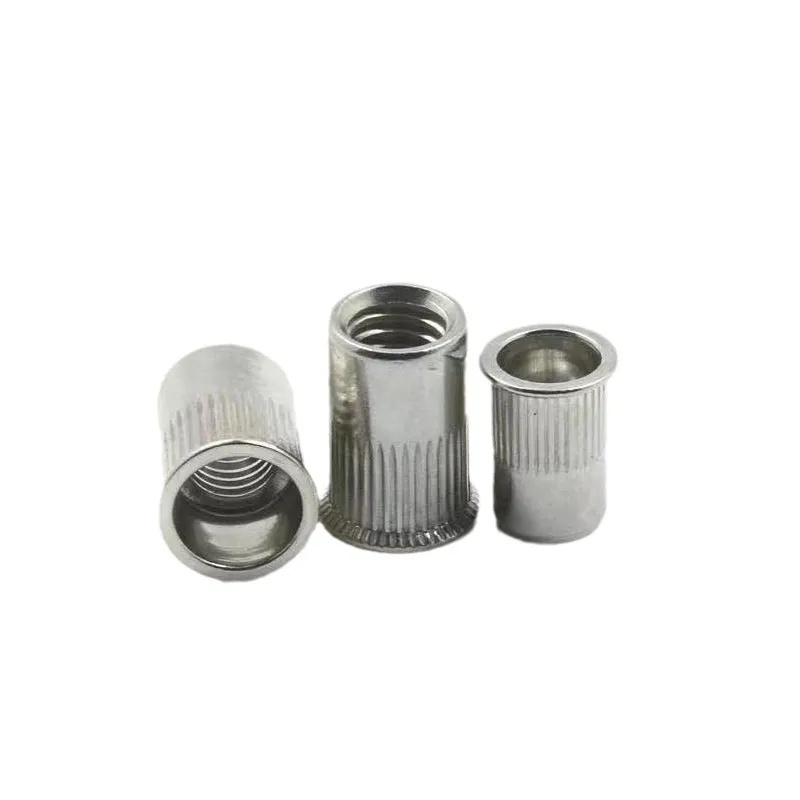
Quid est Nux Rivet Corporis Torulati Capitis Reducti et Cur Id Importet
Definitio Principalis et Praecipuae Formae Geometricae
Nuclei rivet capitis attenuati et corpore torulato sunt isti speciales conectoris caecis, qui inserta filetata firmiter tenent in materialibus tenuibus aut in locis ubi spatium vere exiguum est. Quod eos praecipue distinguit est multo minor altitudo capitis quam in nucleis rivet ordinariis — quae enim 40% brevior est — quae mechanicis permittit eos etiam in locis maxime angustis, ut intra tabulas instrumentorum automobilium vel intra parvas capsas electronicas, installare. Corpus horum nucleorum habet hanc peculiarem figuram rhomboidalem, quae in materiam, in qua imponuntur, mordet. Veniunt cum internis filetis, quae sequuntur normas metricas aut imperiales; et, mirum dictu, pondus eorum est circa 30% minus quam versionum traditio-nalium, licet sub viribus tensionis et cisurae aeque bene resistunt. In iis industrias, ubi uniuscuiusque gramma momenti est, ut in aeronautica, huiusmodi diminutio ponderis magni momenti est, quia directe convertitur in meliorem oeconomicitatem carburantis et in generales emendationes praestantiae.
Commoda Functionalia: Montatio Aequata, Resistentia ad Rotationem, et Resistentia ad Extractionem
Quid hunc fixivum praestantem facit? Tria principalia attributa coniunctim operantur ad praestantissimum effectum. Primum quod notatu dignum est est capitis designatio humilis, quae fere aequatur superficiei. Hoc evitat illos molestos impetus quos omnes oderimus dum circa instrumenta electronica et domus apparatus laboramus, simulque aspectum puriorem creat. Secundum attributum comprehendit illas strias cannelatas per corpus. Cum installantur, hae revera effectum quendam quasi «frigidae soldaturae» creant dum in materiam basalem expanduntur, ita ut ne quidem sub magnis momentis torquentibus volvantur. Tertio, aliquid speciale est in eo quomodo haec firmiter in loco retinentur. Experimenta ostendunt eos usque ad 40 % melius resistere extractioni quam optiones ordinariae cum corporibus levibus in tenuibus laminis aluminium (scilicet quae 1,5 mm crassitudinis aut minus sunt). Hoc significat fabricatores fidere posse solidis fixationibus etiam in valde tenuibus materiis usque ad 0,8 mm crassitudinem, sine metu deformationis aut distorsionis delicatarum superficierum — quod magni momenti est omnibus qui cum praecisis laminis metallicis operantur.
Quomodo Nutus Rivetae Corporis Striati Capitis Minuendi Recte Installemus
Requisita Instrumentorum: A Manubrialibus Compressionis Instrumentis Usque ad Intelligenta Pneumatica Installatoria
Recte instituere incipit a rectis instrumentis ad opus deligendis. Manuales prehensoriae machinae optime utuntur, dum inter opera transire aut parvas copias conficere licet, quae singulae partes bene reguntur. Lineae autem productionis saepius in pneumaticis calibratis constrictoribus innituntur, quoniam constantes effectus praebent et res in magnitudine progredi iubent. Mandrilus in omni instrumento exacte convenire debet cum eo quod pro filetis et magnitudine tota nucis rivetatae praescribitur. Cum vero versiones denticulatae tractantur, pars anterior (nosepiece) aequabiliter in omnibus lateribus premere debet, non solum directe introrsum impellens. Alioquin denticuli non recte sedebunt et totum postea volvi potest. Cave etiam ne nimis constringas, praesertim in metallis tenerioribus ut est aluminium aut aes. Si nimis premas, haec materiae magis torquentur quam formam retinent, quod ad filetas laesas vel etiam ad lamellas fractas in posterum ducere potest.
Protocolum Calibrandi ad Firmam Clinch Formationem in Tenui Aluminii Lamina
Ad bene constituendas formationes clinch in lamellis aluminium minoribus quam 1,5 mm opus est cura diligenti in praeparatione. Primum omnium, perpende ut diametri foraminum intra ±0,05 mm mensurae realis riveti-nutrii cadant. Plurima instrumenta pneumatica ad alia legamina aluminium regenda inter 70 et 90 psi constituenda sunt; tamen ne obliviscaris longitudinem cursus ita immutare, ut metallum rite expandatur sine deformatione flangae. Experientiae regularis extractionis post singula paucacentena newtona confirmant, utrum omnia prout par est fiant, inspicientes praecipue tumorem indicativum circa regionem cannelatam. Post installationem semper iterum perpende, utrum omnia plane cohaereant. Etiam exiguum excessus supra 0,1 mm resistentiam fatigae minuit fere 15 % in his lamellis tenuibus, quod significat iuncturas non diutius duraturas esse quam oporteat.
Praecepta Principalis Observantiae:
- Structura : Caput H2 subsequitur duae sectiones H3 servatae
- Seo : Nomen clavis «reduce head knurled body rivet nut» naturaliter in sectionibus integratum
- Nexus : Nullae externae conexiones adhibentur (haec praecepti originalis tenor servatur)
- Data : Specificatio criticae (ut intervalla PSI, tolerantiae, limina defectus) retinentur tantum ubi decisiones actionabiles informare possunt
- Legibilitas : Sententiae compendiantur ut verborum medius numerus sit sedecim; vox activa per totum servatur
- Tutum : Monitiones contextuales de nimia constringenda et periculo exsurgentis conservantur et acuuntur
Quando Reduce Head Knurled Body Rivet Nuts potius quam alterna eligi debent
Contra Rivnuts Clausos: Compensatio inter resistentiam vibrationibus et protectionem ambientalem
Nuci rivetae corpore corrugato cum capitibus attenuatis praebent firmiorem resistentiam ad rotationem in conditionibus vibrationis, comparatae cum earum similibus corpore laevi. Experientiae independens ostendit has fixationes retinere circa 37 procentum plus vires adhaesionis durante motu et experimentis sub stress vibrationis. Ideo multi ingeniarii eas praescribunt ad usus uti montes motorum, congeries bracchiorum transmutationis, et structurae machinarum graviorum, ubi partes tempore tendunt solvi propter sacculum. Pars negativa? Hae versiones corrugatae non veniunt cum annulis O aut signis caoutchouc inclusis, sicut nuci rivetae sigillatae. Itaque non prohibebunt ingressum aquae, contaminationem pulveris, aut corrosionem exoriens. Ad applicationes ubi protectio ambientalis magni momenti est, utare typis corrugatis normalibus in officinis mundis aut in locis regulatis. Cum autem operaris foris aut in ambientibus chemice aggressivis, elige versiones sigillatas quae satisfaciunt certis gradibus IP ad aptam protectionem adversus elementa.
Contra Rivnuts Submersos: Aesthetica, Fortitudo et Spatium Instaurationis Componuntur
Minor capitis designus permittit his fastigium fere aequari cum superficie, dum tamen retinet circa 92% eius quod normales nuculae rivetae sustinere possunt in tensione. Hoc eos praerogativa vera donat comparatione ad alternativas ad scarpam, quae saepe amittunt circiter 30% suae capacitates oneris tantum ut prorsus planae sint ad materiam. Variantes corporis denticulati aliud etiam habent beneficium: non requirunt eas difficiles contrabores conicas, quod forare foramina multo facilius reddit et celerius efficit, praesertim ubi in angustis locis aut inaequalibus positionibus operatur. Tamen notandum est quod nuculae rivetae ad scarpam apud ingeniarios manent populares, qui de aeronavicis vel de productis summae qualitatis agunt, ubi omnino nullae tumores in superficie maxime momenti sunt. Cum aliquid designas, ubi fortitudo, resistentia ad rotationem, et spatii conservatio sunt praecipua, optima est versio capitis reducti cum corpore denticulato.
Considerationes Materialis et Design pro Optima Operatione
Removenda est adhaesio in variantibus ex accipensibus inox durante installatione ad altam velocitatem.
Fricatio, quae accidit cum partes propter calorem ex attritione adhaerent, est magnus problema in installatione eorum rivet-nutorum ex accipatro inox cum capite contracto et corpore sulcato ad velocitates altas. Cum temperaturae supra circiter 700 gradus Fahrenheit ascendant, minuta verecunda inter superficies metallicas vere formantur. Haec deteriorat tam filetas quam efficaciam sulcorum ad tenendum. Ut hoc malum oppugnetur, fabri de materiis et processibus cogitare debent. Applicatio lubricantium in forma sicca, ut PTFE vel disulfuris molibdeni, frictionem minuit fere 40 ad 60 per centum. Electio austeniticorum accipatrorum inox, ut gradus 316L, etiam iuvat, quoniam haec melius resistunt indurationi per deformationem. Velocitas installationis sub 1200 RPM servanda est, ut puncta calida localia vitentur. Nec de instrumentis quidem praetermittendum est: instrumenta polita cum titani nitruri tegumentis minus adhaerent superficiei. Pro applicationibus vero momentosis, ubi defectus omnino non permittitur, experimenta vibrationis acceleratae secundum normam DIN 25201-4 antequam quicquam magnopere introducatur, instituenda sunt.
FAQ
- Quae sunt praecipua beneficia utendi nucibus rivet capite minuto corporeque scabro? Nuces rivet capite minuto corporeque scabro praebent beneficia ut montatio aequabilis, resistentia ad rotationem, resistentia ad extractionem, et comminutio ponderis, quare idoneae sunt ad loca angusta et ad artes ut aviatio.
- Quomodo hae nuces rivet comparantur ad alias species, ut nuces rivet obductae vel conicae? Haec nucia firmitatem meliorem praebent in condicionibus vibrandi quam nuces rivet obductae, sed protectionem ambientalem non habent. Praebent fortitudinem et comminutionem spatii super nucias rivet conicas, sed non requirunt excavationes conicas.
- Quae consideranda sunt pro installatione celeri varietatum ex accipatro inox? Utere lubrificantibus pellicularum aridorum ad minuendam frictionem, elige materiales ut accipater inox gradus 316L, tene velocitates installationis infra 1200 RPM, et utere ferramentis politis ad minuendos periculos galling.