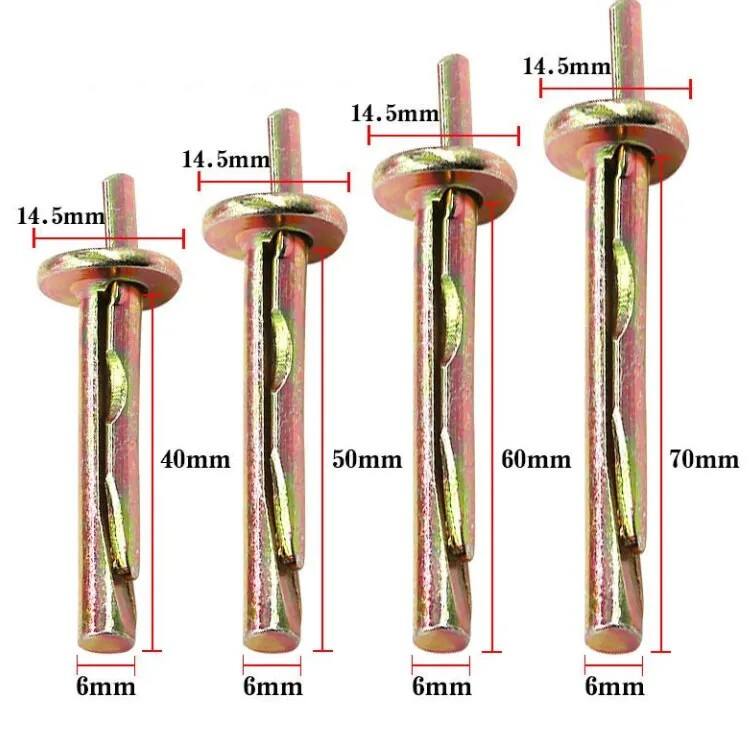
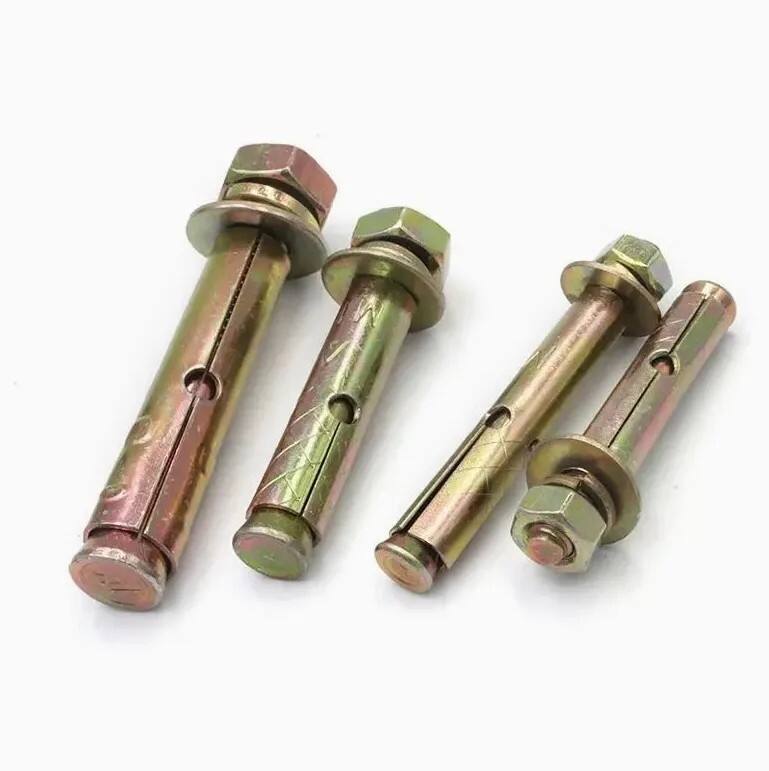
The Essential Guide to High-Performance Concrete Lag Bolts
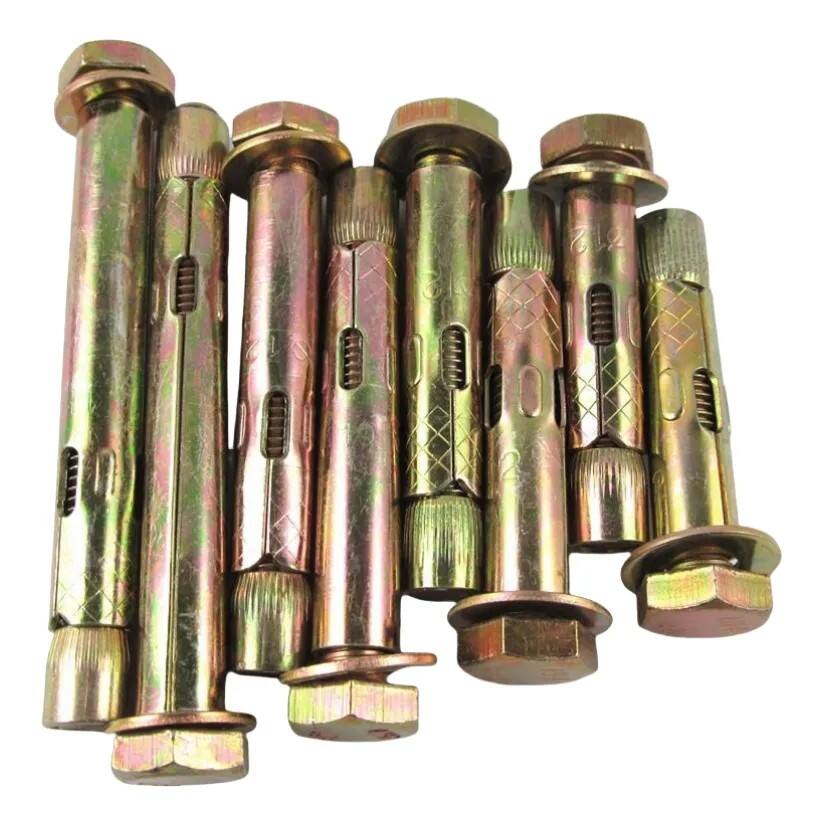
Securing fixtures to masonry is a foundational task in construction. Concrete lag bolts, as part of a two-piece anchor system, are engineered specifically for this purpose. They work by expanding within a pre-drilled hole to create a secure, permanent hold. At HDYH Fastener, our manufacturing process addresses the critical factors that define a superior anchor: design, material, and consistency.
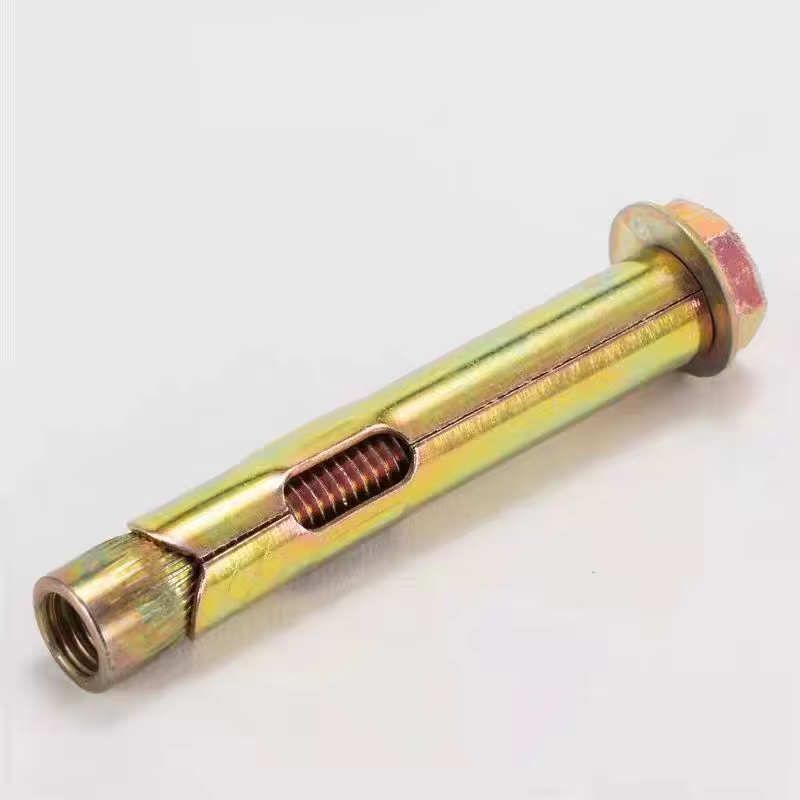
The mechanics are key. A concrete lag bolt is threaded into a separate expansion sleeve (lag shield). Tightening the bolt causes the sleeve to expand, generating massive outward pressure against the concrete. This friction resists pull-out forces. Our production emphasizes precise thread geometry and sleeve design to maximize this expansion force and load distribution, ensuring optimal grip in the substrate.
Material choice is crucial for performance and longevity. For dry, interior applications, our high-strength carbon steel concrete lag bolts are an efficient choice. However, when moisture, chemicals, or weather are factors, corrosion becomes the enemy of any fastener. Our stainless-steel series, made from grades like 304 (A2-70) and 316 (A4-80), provides a robust solution. The chromium content forms a protective layer, resisting rust and ensuring the anchor's strength remains intact for the life of the structure. This makes them essential for infrastructure, marine applications, and food processing plants.
Proper installation is the final step we support through accurate specifications. This includes correct hole diameter/depth and adequate torque. Our technical data provides clear guidance to ensure installers achieve full expansion without damaging the bolt or concrete. A clean, properly installed HDYH concrete lag bolt provides a dependable connection for sill plates, structural steel, pipe supports, and machinery.
Choosing a manufacturer with integrated control over production, like HDYH Fastener, guarantees quality from raw material to finished product. This control translates to reliability on your job site, project safety, and long-term value.

 EN
EN